
⚡ Key Takeaways
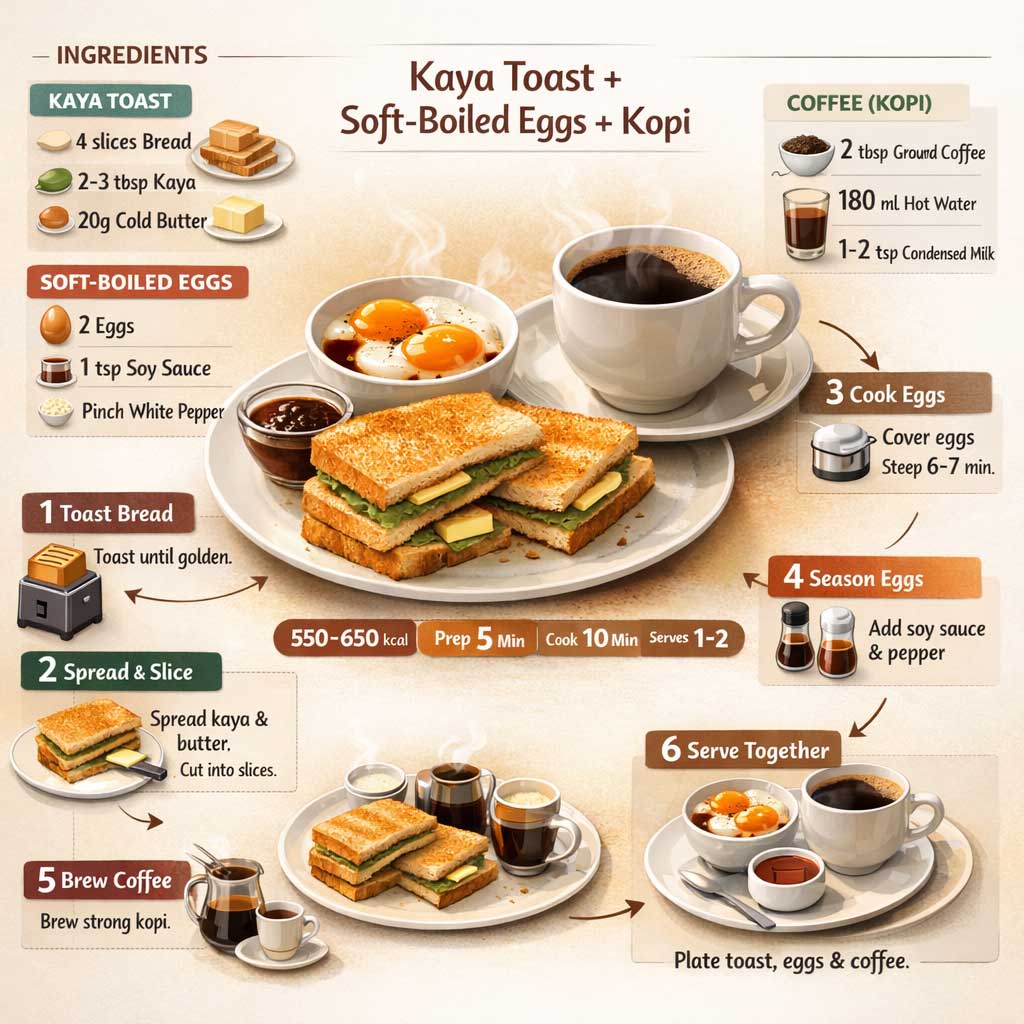
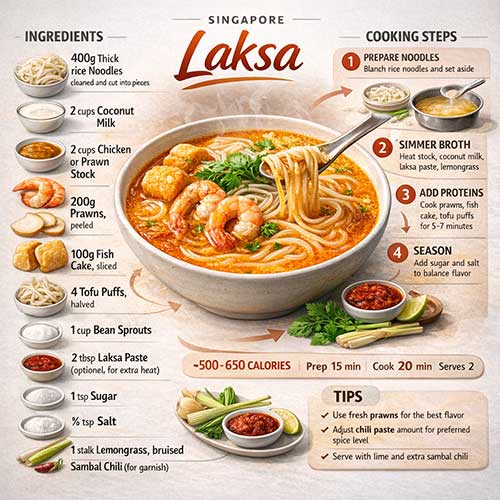
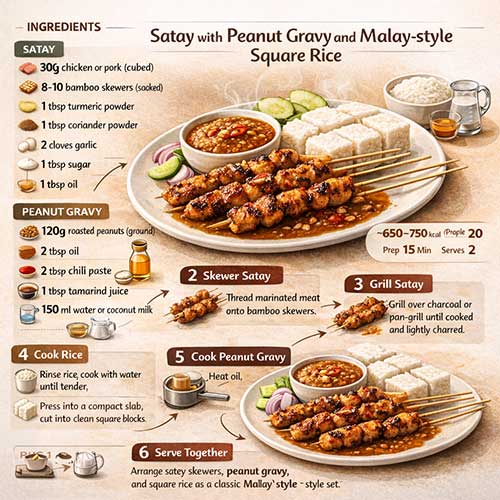
- ✓AI can turn simple recipes into clean, modern infographic-style visuals that combine ingredients, steps, and final dish presentation.
- ✓A strong prompt should clearly define structure, including ingredients, measurements, and step-by-step cooking instructions.
- ✓Visual hierarchy is important and the final dish should be the hero, followed by steps and ingredients.
- ✓Design elements like icons, spacing, and typography help make recipes easier to read and more engaging.
- ✓These AI-generated infographics are ideal for social media, cookbooks, and marketing content because they are visually appealing and easy to share.
In the crowded digital food space, standard recipe photos no longer guarantee engagement. The new standard for high-performing content is the AI-powered recipe infographic—a visually stunning, magazine-style layout that combines a hero dish, ingredient lists, and step-by-step instructions into one scroll-stopping image.
This comprehensive guide provides a structured framework for food bloggers, marketers, and creators to consistently generate premium, publication-ready recipe graphics using any AI tools.
🎯 Target Audience: Who Needs Premium Recipe Graphics?
- Food Bloggers & Publishers: Create high-save-rate content for Pinterest and Instagram to drive traffic.
- Social Media Managers: Produce consistent, on-brand visual assets without a design team.
- Digital Product Creators: Design lead magnets, ebook covers, and printable recipe cards.
- F&B Businesses: Elevate menu items and digital presence with premium visuals.
🧩 The “Secret Sauce”: Structured Prompt Architecture Explained
Generic prompts yield generic results. To achieve a consistent, professional style, you must move from simple commands to structured visual direction. AI models perform best when you provide clear, hierarchical constraints.
Instead of: “A picture of a recipe for pasta”
You structure your prompt into:
- Hero visual
- Layout logic
- Ingredients system
- Step system
- Design direction
- Composition priorities
- Technical output specs
🧠 The Reusable Prompt Template for Recipe Infographics
Use this exact block-structured prompt to ensure brand consistency and speed up your workflow. This structure is designed to be parsed effectively by AI.
[STYLE BLOCK]
Ultra-clean modern recipe infographic in a premium magazine editorial style.
[HERO BLOCK]
As the main hero visual, feature [DISH NAME]. [INSERT DETAILED VISUAL DESCRIPTION: bowl type, color, texture, ingredients, lighting, steam, perspective].
[LAYOUT BLOCK]
Arrange the elements around the hero in a dynamic, layered magazine layout. Use glassmorphism panels and soft drop shadows for depth. Maintain generous negative space for a clean, premium feel.
[INGREDIENT BLOCK – Left/Bottom]
Create an ingredients section using mini vector icons or simple illustrations next to each item. Use a modern sans-serif font for text.
Ingredients:
- [List ingredient 1 with quantity]
- [List ingredient 2 with quantity]
- [List ingredient 3 with quantity]
[STEP BLOCK – Right/Top]
Show the cooking steps in numbered, clean panels arranged in a zig-zag or circular flow. Keep text concise.
Steps:
- [Short action, e.g., Simmer broth 10 mins]
- [Short action, e.g., Add noodles and prawns]
- [Short action, e.g., Garnish & serve]
- Knife icon (prep)
- Pan/Wok icon (cook)
- Flame icon (heat)
- Timer icon (simmer)
- Whisk icon (mix)
- Spoon icon (serve)
- [Prep step] – short action description
- [Cook aromatics] – short action description
- [Add main ingredients] – short action description
- [Simmer / cook time] – short action description
- [Final seasoning / thickening] – short action description
- [Garnish & plate] – short action description
[BADGE BLOCK / ADDITIONAL – Optional]
Include small badges or tags for key info: [e.g., Calories: 450 kcal, Prep Time: 15 mins, Cook Time: 20 mins]. Use a subtle accent color like deep red for these highlights.
[COMPOSITION BLOCK]
- Finished dish (main hero)
- Cooking steps
- Ingredients
- Additional info
[TECHNICAL BLOCK]
Output: 1080×1080 square format, ultra-sharp, 4k resolution, no text overlays or watermarks, optimized for social media.
Add Personality Through Details
To keep things fun, sprinkle in unique touches:
- Use whimsical fonts like rounded sans-serifs or script styles.
- Incorporate playful icons (e.g., smiley faces, stars, confetti).
- Experiment with unexpected textures (chalkboard, watercolor, metallic foil).
But remember: Less is more. Avoid overcrowding by leaving plenty of negative space around key elements.
Pro Tips
1️⃣ Be Descriptive About Colors:
Instead of “bright colors,” try “electric blue paired with sunny yellow.”
2️⃣ Use Seasonal Themes Wisely:
Add festive elements like snowflakes or palm leaves depending on the season.
3️⃣ Keep Text Short & Snappy:
Long paragraphs overwhelm readers. Stick to punchy phrases or bullet points.
4️⃣ Leverage Trends Without Losing Identity:
Incorporate popular aesthetics (e.g., Y2K revival) but adapt them to fit your brand voice.
Common Mistakes to Avoid
❌ Being too vague in your prompts.
❌ Overloading the design with unnecessary elements.
❌ Ignoring platform-specific requirements (e.g., vertical vs. horizontal formats).
Precision matters!
Sample Prompt Recipe Infographics
[STYLE BLOCK]
Ultra-clean modern recipe infographic.
[HERO BLOCK]
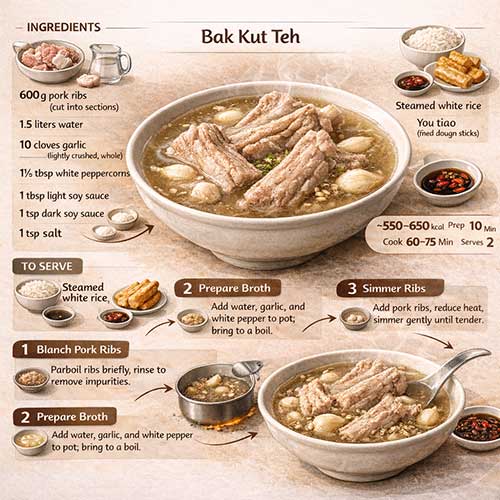
Feature Bak Kut Teh (peppery pork rib soup in a deep ceramic bowl; tender pork ribs partially submerged in a clear, aromatic broth; visible whole garlic cloves and white pepper granules; light oil sheen on the surface; gentle steam rising; looks hot, comforting, and freshly simmered) as a finished dish, shown in a slight angled perspective as the main hero visual.
[LAYOUT BLOCK]
Arrange ingredients, cooking steps, and helpful tips around the dish in a dynamic magazine-style layout, not restricted to a strict top-down view. Ingredients section Use icons or mini-illustrations for each ingredient with the exact quantity. Place them as groups, lists, or circular diagrams, visually connected to the main dish.
[INGREDIENT BLOCK – Left/Bottom]
- 600 g pork ribs (cut into sections)
- 1.5 liters water
- 10 cloves garlic (lightly crushed, whole)
- 1½ tbsp white peppercorns (lightly cracked)
- 1 tbsp light soy sauce
- 1 tsp dark soy sauce
- 1 tsp salt To Serve Steamed white rice You tiao (fried dough sticks)
- Light soy sauce with chopped chili
[STEP BLOCK – Right/Top]
- Show the cooking process using numbered panels, arrows, or connecting lines that create a clear visual route around the bowl. Add small process icons (knife, pot, stove, timer, ladle) where appropriate.
- Blanch Pork Ribs – Parboil ribs briefly, rinse to remove impurities.
- Prepare Broth – Add water, garlic, and white pepper to pot; bring to a boil.
- Simmer Ribs – Add pork ribs, reduce heat, simmer gently until tender.
- Season Soup – Add soy sauces and salt, adjust to taste.
- Slow Cook – Continue simmering until broth is fragrant and peppery.
- Serve Hot – Ladle soup into bowls with ribs and garlic.
[BADGE BLOCK / ADDITIONAL – Optional]
Include total calories, prep time + cook time, and number of servings as clean, minimal badges or bubbles near the dish. Total calories: ~550–650 kcal Prep time: 10 min Cook time: 60–75 min Servings: 2
Visual style A blend of magazine infographic design and lifestyle food photography. Use warm neutral soup tones, soft beige pork rib highlights, off-white garlic accents, and subtle black-and-white pepper specks. Apply soft drop shadows, clean vector icons, modern typography, and soft gradients or glassmorphism panels for the step blocks. Accent colors may highlight calories or cooking time.
[COMPOSITION BLOCK]
Finished dish (main hero) Cooking steps Ingredients Additional info Maintain enough negative space so the design feels light, premium, clean, and highly readable. Lighting & background Soft natural studio or warm hawker-style lighting. Minimal textured or warm neutral gradient background to create a premium magazine look.
[TECHNICAL BLOCK]
Output 1080×1080, ultra-sharp, optimized for social media feed, no watermarks.
More Prompt style option
[STYLE BLOCK]
Premium Editorial Magazine Style
Premium editorial food magazine aesthetic, soft natural studio lighting, shallow depth of field, subtle background blur, modern minimalist layout, clean sans-serif typography, soft drop shadows, glassmorphism panels, balanced negative space, layered design elements, high-end lifestyle food photography, realistic textures, natural color grading.
Clean Minimal Scandinavian Style
Minimal Scandinavian design, neutral soft beige and light grey palette, airy composition, generous negative space, subtle soft shadows, thin line icons, light modern typography, flat but elegant layout, matte food texture, soft diffused lighting, calm and balanced visual harmony.
Bold Social Media High-Contrast Style
High contrast modern social media design, vibrant saturated food colors, sharp lighting highlights, bold modern typography, strong color accents (red, orange, yellow), dynamic composition, layered depth, crisp shadows, energetic layout, eye-catching badge elements, optimized for scrolling feeds.
Luxury Michelin Restaurant Style
Luxury fine-dining editorial aesthetic, dramatic soft spotlight lighting, dark-to-light gradient background, refined typography with elegant spacing, minimal design blocks, subtle gold or warm accent tones, cinematic food photography, glossy highlights, high detail realism, sophisticated composition.
Modern Infographic Tech Style
Modern infographic design blended with tech UI aesthetics, glassmorphism panels, modular grid layout, subtle gradients, soft glow accents, clean vector icons, structured block sections, blueprint-like layout logic, cool neutral background with blue accent highlights, ultra sharp professional finish.
[HERO BLOCK]
Product-Centric Hero Block
A sleek close-up shot of [Product Name], showcasing its key features in crisp detail. Highlight textures like smooth surfaces, metallic finishes, or matte coatings. Position the product slightly off-center with soft studio lighting for a premium look. Add subtle reflections or shadows to enhance realism. Ensure the background complements the product—neutral tones or gradient overlays work best.
Food-Focused Hero Block
A mouthwatering dish served in [specific container, e.g., ceramic bowl, wooden board] as the centerpiece. Describe the food vividly: steaming noodles, glossy sauces, fresh garnishes like chopped herbs or citrus slices. Use warm, inviting lighting to emphasize richness and texture. Capture the scene from a 45-degree angle for depth, with slight motion blur to suggest steam rising or drips falling.A dynamic lifestyle image featuring a person interacting with [Product/Theme]. For example, a young professional sipping coffee while working on a laptop at a cozy café. Include natural elements like sunlight streaming through windows or blurred background activity for context. Focus on candid expressions and relaxed body language to evoke authenticity and relatability.
Abstract Conceptual Hero Block
An abstract representation of [Concept/Idea], using shapes, colors, and textures to convey meaning. For instance, overlapping translucent circles in gradient hues to symbolize collaboration or innovation. Incorporate subtle animations (if applicable) like floating particles or gentle pulsing effects. Keep the composition balanced but intriguing, leaving room for interpretation while maintaining clarity.
Nature-Inspired Hero Block
A breathtaking natural landscape as the focal point, such as a serene mountain lake reflecting snow-capped peaks or a golden sunset over rolling hills. Emphasize vibrant colors and dramatic contrasts—rich greens, fiery oranges, deep blues. Include small human elements (e.g., a lone hiker or tent) to provide scale and emotional connection. Use wide-angle framing to capture vastness and awe-inspiring beauty.
[LAYOUT BLOCK]
The “Z-Pattern” Layout
Best for: Social media scannability, mobile-first viewing, and guiding the eye naturally from top-left to bottom-right.
Clean Z-pattern layout designed for natural eye flow. The hero dish is positioned in the top-left quadrant as the entry point. Ingredients and badges flow diagonally across the center as secondary information. Step-by-step panels are arranged horizontally along the bottom, leading the eye to a final call-to-action or serving suggestion in the bottom-right corner. Clean white space separates each zone. Perfect for quick scanning on mobile devices.
“Radial/Circular” Layout
Best for: Pizzas, pies, salads in bowls, or any round dish where you want elements to orbit around the central hero.
Dynamic radial layout with the hero dish as the absolute center. Ingredients, step panels, and badges orbit around the dish in a circular or semi-circular flow, like planets around the sun. Panels are slightly angled outward for movement and energy. Connecting dotted lines or subtle arcs visually link the elements back to the center. Creates a sense of abundance and visual excitement. Maintains balance without overcrowding the center.
The “Split Screen/Diptych” Layout
Best for: Before/after shots, recipes with two key components (e.g., burger + fries), or highlighting a transformation.
Clean split-screen layout dividing the canvas into two distinct vertical or horizontal zones. The left/top half features the finished hero dish prominently. The right/bottom half contains a clean, organized grid of ingredients and abbreviated steps. A subtle diagonal or straight line divides the zones with a soft gradient fade. Minimal overlapping elements. Feels editorial, structured, and confident. Ideal for highlighting contrast.
The “Vertical Magazine Spread” Layout
Best for: Pinterest, blog pins, and long-form recipe content where users expect to scroll and save.
Vertical magazine-style layout optimized for pinning and scrolling. The hero dish dominates the top third of the canvas as a powerful entry point. Below, the layout splits into two clean columns: the left column contains ingredients with icons in a stacked list, the right column contains numbered step panels in a descending vertical flow. Small badges for time and calories are tucked neatly between columns or at the bottom. Feels substantial, authoritative, and save-worthy.
The “Asymmetrical Artistic” Layout
Best for: Chef-driven content, luxury brands, cookbook covers, and standing out from standard grid-based templates.
Asymmetrical artistic layout that breaks the grid for visual interest. The hero dish is positioned off-center, perhaps in the bottom-left or top-right, creating intentional imbalance. Ingredient illustrations flow organically from one corner, wrapping around the dish like a vine or frame. Step panels are staggered at different heights on the opposite side, connected by thin, elegant lines. Generous negative space on one side creates breathing room. Uses overlapping elements selectively for depth. Feels editorial, curated, and anything but templated.
[COMPOSITION BLOCK]
Central Focus Composition
Position the hero element (e.g., product, dish, or concept) at the center of the frame, making it the undeniable focal point. Surround it with secondary elements like text blocks, icons, or decorative accents arranged radially or symmetrically. Maintain generous negative space around the central subject to enhance its prominence and create a clean, premium aesthetic.
Rule of Thirds Composition
Divide the canvas into a 3×3 grid and place key elements along the gridlines or intersections for balanced asymmetry. For example, position the hero visual in the top-left intersection, with supporting details (e.g., steps, stats) flowing diagonally toward the bottom-right corner. Use this technique to guide the viewer’s eye naturally across the design while maintaining visual harmony.
Layered Depth Composition
Create a sense of depth by layering elements in the foreground, midground, and background. Place the hero visual prominently in the foreground with slight overlap onto other elements. Add semi-transparent panels or blurred textures in the background for context without distracting from the main focus. Use shadows and scaling to emphasize spatial relationships between layers.
Diagonal Energy Composition
Arrange elements diagonally across the canvas to convey movement and dynamism. Start with the hero visual in one corner (e.g., top-left), then flow supplementary content (text, icons, badges) diagonally toward the opposite corner (e.g., bottom-right). Incorporate diagonal lines, arrows, or gradients to reinforce the directional energy and keep the layout visually engaging.
Split-Screen Contrast Composition
Divide the canvas into two contrasting sections—horizontal or vertical split—to highlight complementary elements. For instance, place the hero visual on one side and a bold text block or infographic-style summary on the other. Use contrasting colors, textures, or lighting to differentiate the sections while maintaining cohesion through consistent typography or graphic accents.
[TECHNICAL BLOCK]
Social Media Optimized Block
1080×1080 resolution, ultra sharp, high detail rendering, optimized for social media feed clarity, crisp edges, high clarity text rendering, balanced compression-ready output, no watermark, clean export quality.
High-Resolution Print Block
High resolution 4K quality (300 DPI equivalent), ultra high detail, print-ready sharpness, precise texture rendering, clean edge definition, color-accurate output, professional export quality, no compression artifacts.
Ultra-Detail Realism Block
Hyper-realistic rendering, ultra high detail textures, sharp focus on main subject, micro-detail clarity (skin texture, sauce gloss, steam), realistic shadow gradients, clean depth-of-field rendering, professional photography quality.
Clean Infographic Rendering Block
Crisp typography rendering, clear icon definition, precise panel alignment, sharp vector-style elements, clean spacing accuracy, balanced contrast for readability, ultra clean layout output, no text distortion, no warped UI blocks.
Platform-Specific Ratio Block
Aspect ratio 4:5 vertical composition, optimized for feed dominance, high clarity for mobile viewing, balanced margin spacing to prevent cropping, ultra sharp rendering, no watermark.
Sample of Recipe Infographics